
Use a complete set of related alerts and supporting evidence before starting a hunt.
Related alerts checkedThreat hunting
Proactive threat hunting
Find suspicious activity that alerts may have missed.
Investigate a security question beyond the alerts already in the queue. Nova supports focused Threat Hunting with reports that bring the hypothesis, examined activity, findings, affected entities, and follow-up suggestions together. Threat Relevance helps analysts assess which threats matter to their environment, while coverage and confidence explain how far the available evidence supports a conclusion.
Qyronis can raise the priority of a hunting hypothesis when unusual behavior or a growing risk supports further investigation. Timing alone is not enough.
Evidence and behavior checkedSearch related events for repeated behavior and matching activity that did not trigger alerts. Check the available coverage.
Validation requiredThreat Hunting resultsReview hunting suggestions, runs, findings, Hunt Insights and reports.
A hunt suggestion still needs investigation
Investigate the suggested pattern across a wider set of events and review any changes over time. Matching activity without an alert may deserve attention, but it does not by itself prove an attack or a missing detection rule.
Hunting inquiry path
- Hypothesis
- Evidence
- Validate
See how work moves through Nova
Move through current product views one step at a time. Each view answers a different security question and keeps the available evidence and limits visible.
1 / 1
Connected behavioral intelligence
From unusual behavior to a focused threat hunt.
Qyronis can help prioritize hunting hypotheses when unusual behavior or a growing risk warrants closer inspection. Proactive Hunting then searches related events for repeated behavior, supporting evidence and activity that did not trigger alerts.
QYRONIS
Intelligence question
What behavior is deviating, and where might it be heading?
Learns normal behavior for identities and assets, then identifies unusual activity and changes that may indicate a growing threat.
Selective bridge
Qualified patterns only
- Semantic anomaly
- Progressive intent
- Materially rising trajectory
Timing alone does not advance a candidate.
Independent support + drift checksPROACTIVE HUNTING
Validation question
Does the same behavior appear in other events, including activity that did not trigger an alert? What should an analyst check next?
Searches beyond the original alerts for repeated behavior and matching activity, then reports the evidence found and any gaps in coverage.
Governed hunt trail
Use behavior analytics to focus threat hunts, then review the results in context.
- Suggestion
- Execution
- Finding
- Hunt Insight
- Report
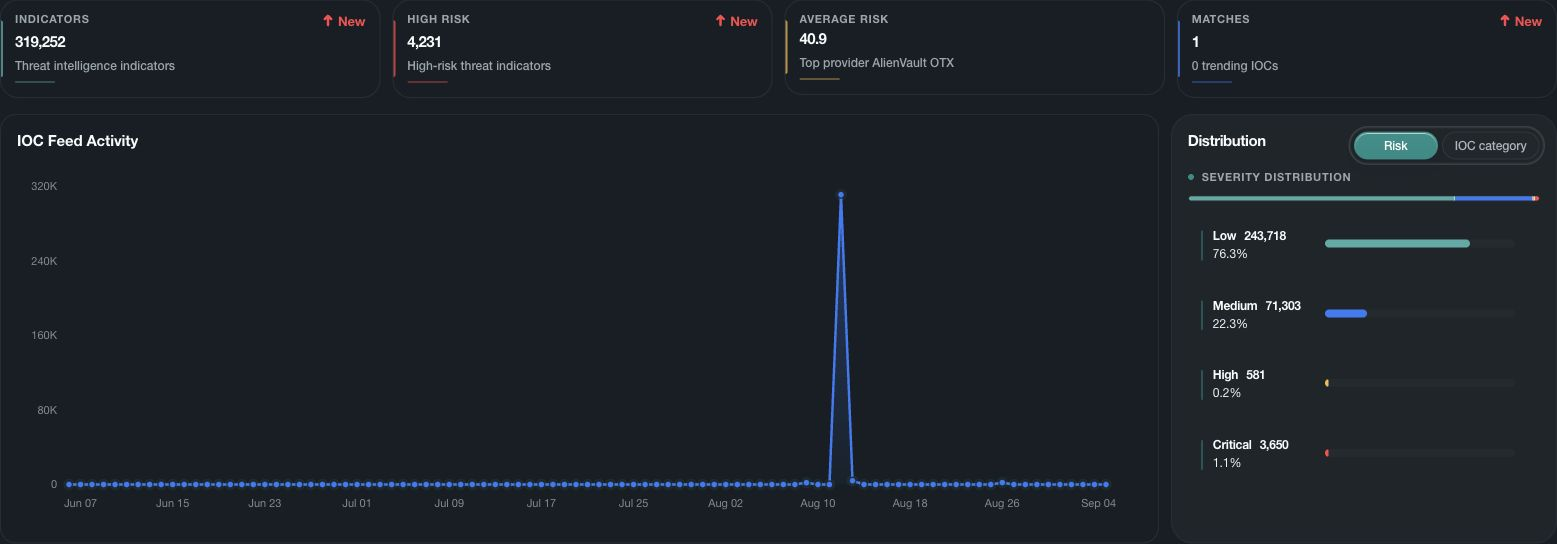
Related alerts
Investigate the pattern behind related alerts.
A hunt starts from a supported pattern in the available alerts. Qyronis can add behavioral context that helps prioritize the review, but an anomaly score alone does not create a hunt.
Explore Qyronis behavior intelligence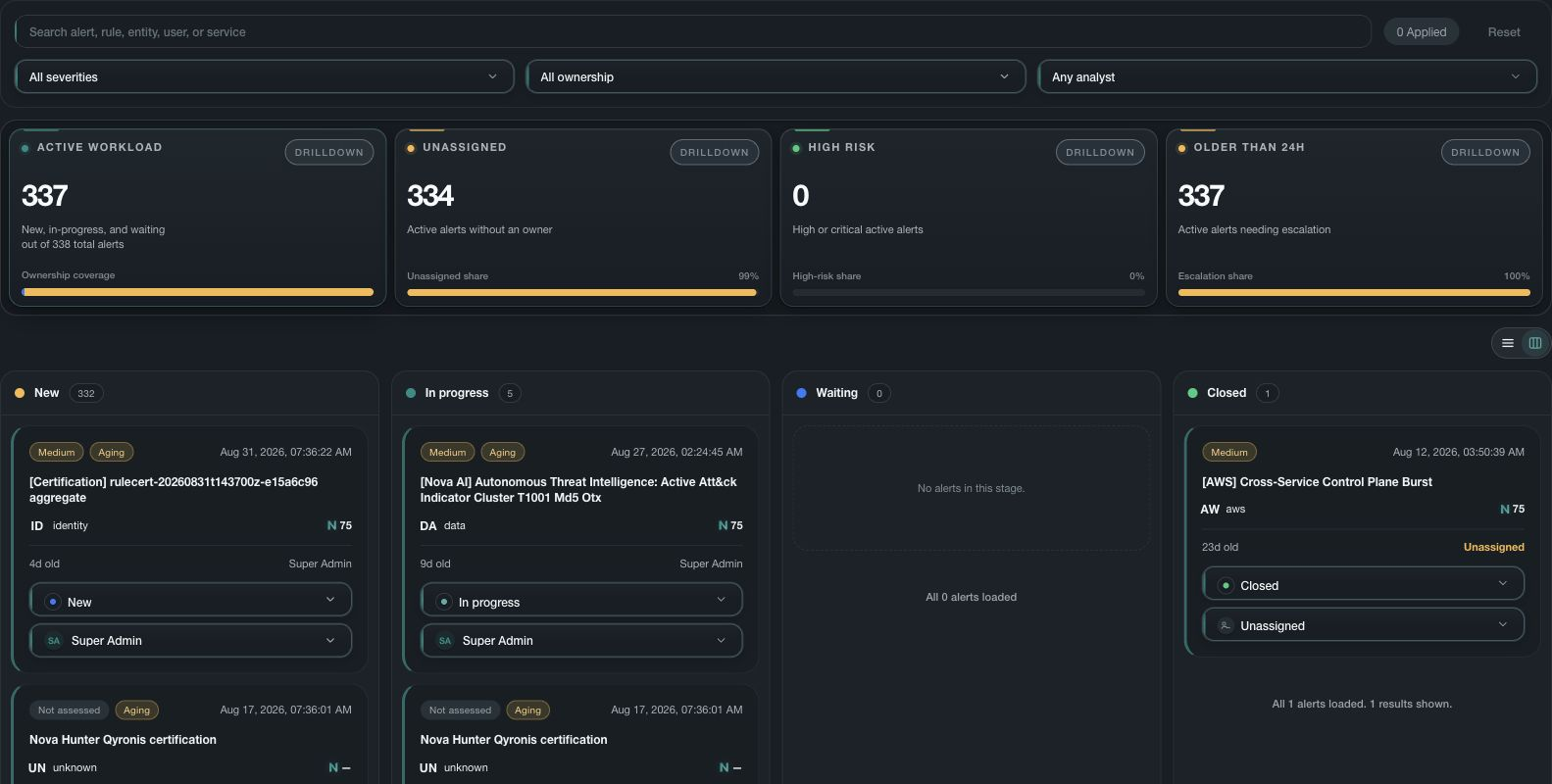
Search related events
Look beyond the original alerts.
Search for recurring activity and events that did not generate alerts. Check the available time range and missing data before drawing conclusions.
Explore investigations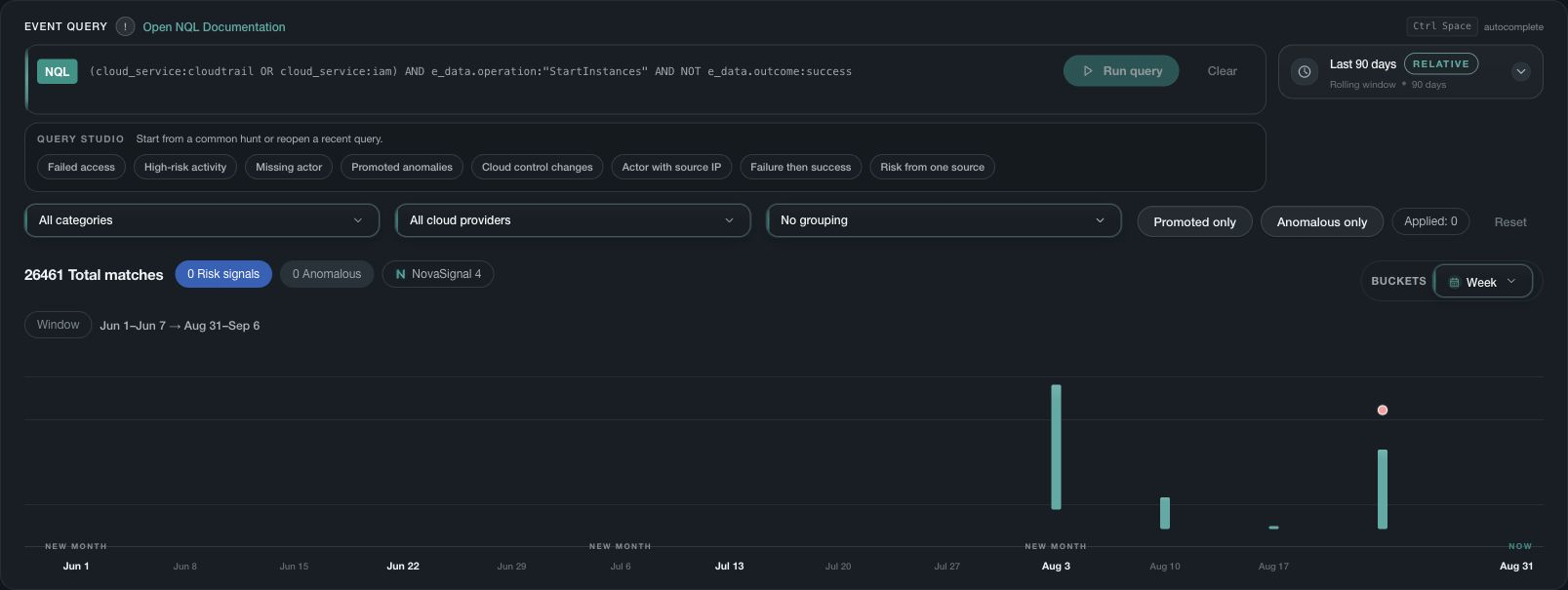
Hunt findings and review
Carry suggestions, executions, findings, Hunt Insights and reports into analyst review.
Analysts review hunt findings before deciding on further work. Proactive Hunting does not automatically create alerts, confirm a detection gap, or carry out remediation.
Explore evidence-led investigations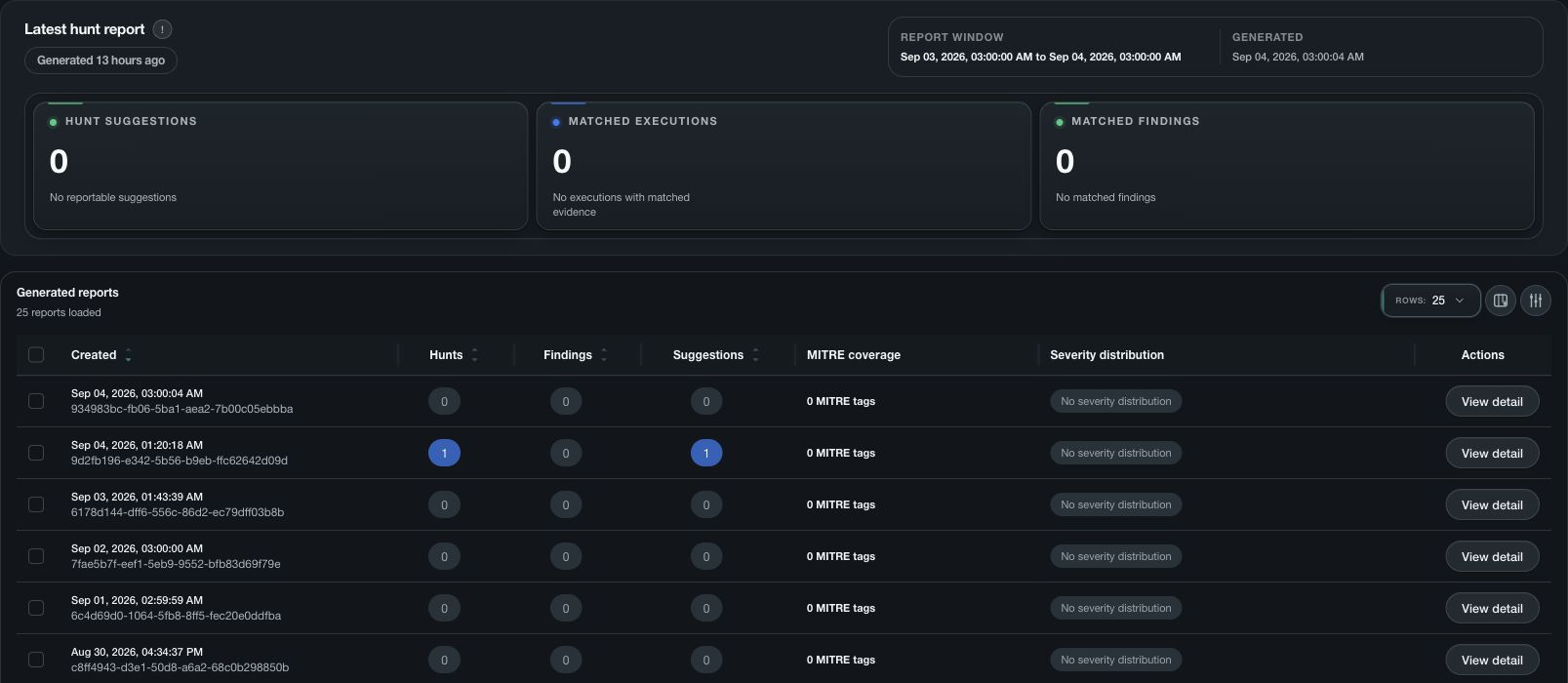
Threat Hunting results
Test a threat hypothesis. Review the matching activity.
QUALIFY
Complete, qualified starting patterns
Start with related alerts and enough supporting information to investigate a specific pattern.
RECURRENCE
Behavior recurrence across broader evidence
Check whether the same behavior appears in events beyond the original alerts.
UNALERTED
Unalerted matching activity kept honest
Surface matching activity for validation without presenting it as a proven detection gap.
GOVERN
Hunt results
Keep suggestions, executions, findings, Hunt Insights and reports connected to analyst validation.
FAQ
Questions about Proactive Threat Hunting.
How does Proactive Hunting work?
Investigate a security question beyond the alerts already in the queue. Nova supports focused Threat Hunting with reports that bring the hypothesis, examined activity, findings, affected entities, and follow-up suggestions together. Threat Relevance helps analysts assess which threats matter to their environment, while coverage and confidence explain how far the available evidence supports a conclusion.
Does every Qyronis anomaly become a hunt?
No. A hunt must first have support from related alerts. Qyronis can help prioritize it when unusual behavior or a significant change adds useful information. An anomaly score or a timing change alone does not create a hunt.
Does unalerted matching activity prove a detection gap?
No. It is evidence for analyst validation, not proof of a detection gap. Only direct rule-evaluation evidence can support that conclusion.
How are Qyronis and Proactive Hunting different?
Qyronis identifies behavior that differs from the usual pattern. Proactive Hunting searches a wider set of events to see whether suspicious behavior repeats, including activity that did not generate an alert. Analysts review the results of both.
Evaluate Nova
See how Nova fits your cloud security workflow.
In a private briefing, we will map Nova to your stack, confirm what connects and focus the evaluation on the outcome your team cares about.