
Cloud security
Data exposure and access
Find exposed cloud data and review who can access it.
Review the cloud resources that hold data and the conditions that could expose it. Nova brings supported data assets, public-access findings, configuration checks, and ownership together so teams can investigate excessive exposure and assign follow-up. The assessment depends on the evidence available for each resource and does not imply that every data store or sensitive record has been inspected.
Data risk cannot be understood from storage configuration alone
Security teams need to know which data asset is affected, whether access is public or private, which policy evidence is available, who owns the resource and where the assessment remains incomplete.
Cloud risk path
- Inventory
- Exposure
- Priority
Data asset review
Bring exposure, access and policy findings to the resource under review.
Review the data asset's name, service, region, exposure, access status, and related findings.
Explore cloud asset inventory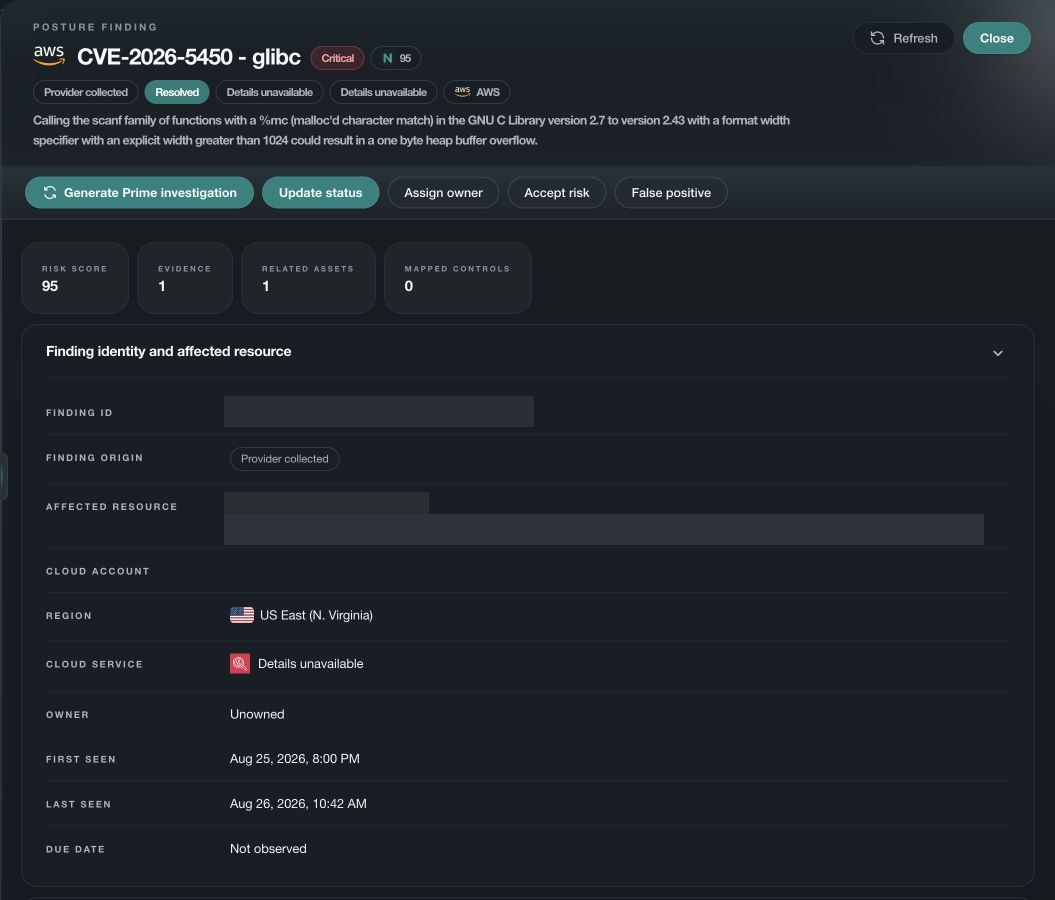
Data risk in cloud context
Prioritize data exposure alongside broader cloud attack paths.
Findings and affected data assets can be evaluated beside exposure, identities and evidence gaps that may change the remediation decision.
Explore cloud security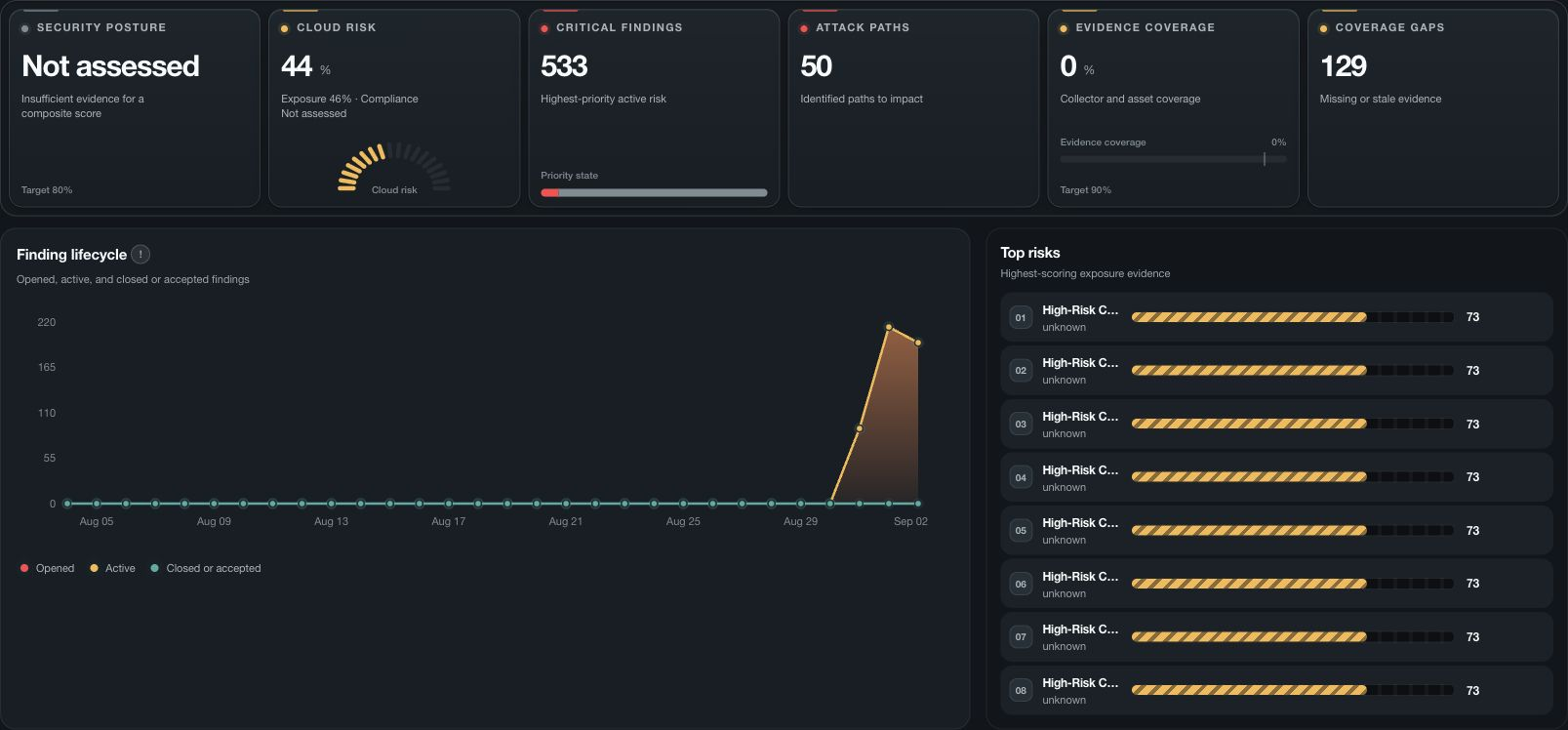
Reduce cloud risk
Prioritize the paths that can reach what matters.
Data asset identity
Keep provider, service, account, region and resource identity available for review.
Data exposure
Distinguish observed public or private access from states that have not been assessed.
Access-review context
Keep available access-review results and recommendations attached to the data asset.
Policy evidence without false assurance
Show passing, failing, unknown and not-assessed states separately.
FAQ
Questions about Cloud Data Security.
What cloud data security context does Nova provide?
For supported data assets, Nova connects resource identity with the available exposure, access review, policy, ownership and related cloud risk evidence.
Does Nova classify every data asset automatically?
No. Classification and evidence coverage depend on the connected source, granted access and supported asset type. Unavailable or not assessed evidence remains visible rather than becoming a confirmed classification.
How does Nova handle missing, stale or partial evidence?
Nova keeps complete, partial, degraded, unavailable, not applicable, not assessed and unknown states distinct. Missing evidence never becomes a passing control, normal behavior, low risk or proof that no threat exists.
Evaluate Nova
See how Nova fits your cloud security workflow.
In a private briefing, we will map Nova to your stack, confirm what connects and focus the evaluation on the outcome your team cares about.